Sales teams don’t lose deals because they’re lazy.
They lose deals because they’re buried in manual work.
Every day, revenueSales teams don't lose deals because they're lazy or unmotivated. They lose deals because they're buried under an avalanche of manual work that quietly suffocates their ability to build meaningful relationships. Every day, revenue teams are asked to perform two completely different jobs simultaneously: build authentic relationships with prospects and maintain complex administrative systems. The problem is that the second job is systematically killing the first.
The Hidden Work Nobody Counts
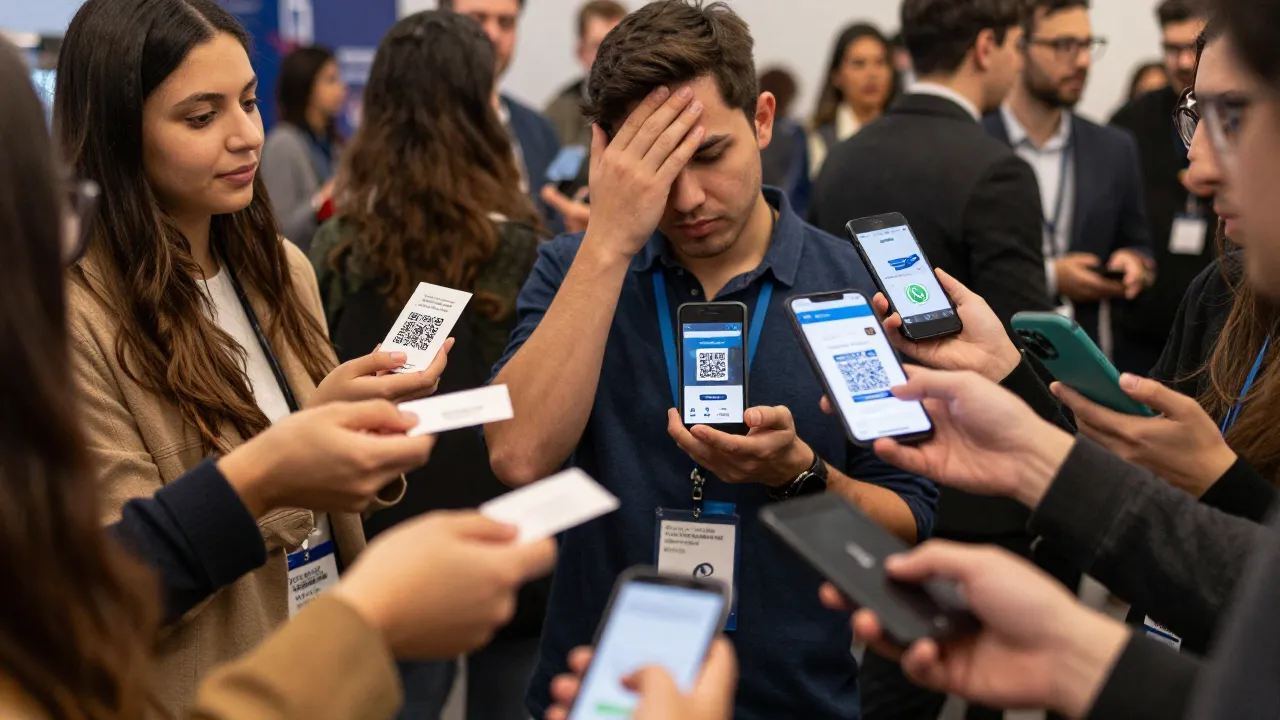
Look closely at what actually fills a typical sales or business development professional's day. It's not just client meetings and strategic conversations. A significant portion of their time is consumed by writing detailed notes, cleaning and organizing contact data, updating CRM systems, setting follow-up reminders, searching through old email threads, moving information between different tools, and rebuilding context from increasingly fading memory.
None of these activities directly create revenue, but all of them consume mental energy and, more importantly, delay action. Every manual step that sits between a meaningful conversation and your system becomes a critical point of friction where essential details get lost, motivation naturally drops, follow-ups get pushed to tomorrow's task list, and opportunities begin to cool down. By the time all the "administrative work" is finally completed, the best possible moment to take decisive action has already passed.
Manual Systems Slow Down Human Moments
Sales success is fundamentally timing-sensitive. Relevance fades quickly, memory decays naturally, and prospect interest shifts to other priorities. Yet most sales teams still operate with the dangerous assumption that they can handle everything later: "I'll log this after my next meeting," "I'll follow up first thing tomorrow," or "I'll clean up all this data after the conference ends."
This "later" approach is expensive because the strongest buying signals don't wait around. The exact phrasing that revealed true intent, the emotional tone that indicated genuine interest, the specific pain points that were shared—these crucial elements start disappearing within hours. Manual systems force sales professionals to translate authentic human moments into sterile data points days after those moments actually happened. And translation, no matter how well-intentioned, always loses critical meaning.
What eventually ends up recorded in your CRM is rarely an accurate representation of the real conversation that took place. Instead, it becomes a summary, an educated guess, or a stripped-down version that misses the nuances that drive purchasing decisions. That gap between what actually happened and what gets documented is precisely where deals quietly start to die.
Admin Work Doesn't Just Waste Time—It Changes Behavior
The more significant problem isn't even the time that manual work consumes. It's how administrative burden fundamentally changes how sales teams behave and think about their work. When data logging feels heavy and cumbersome, people naturally avoid it. When systems respond slowly, people postpone important tasks. When updates require painful manual entry, people simplify their inputs to get through it faster.
So instead of capturing clear context, identifying specific next steps, and maintaining fast momentum, you end up with half-filled database fields, generic notes that could apply to anyone, and vague follow-up plans that lack urgency or specificity. This isn't because sales teams don't care about excellence—it's because the system makes caring feel costly and time-consuming.
Over time, this administrative burden causes a fundamental shift in priorities. Sales teams gradually stop working the actual opportunity and start managing the tool instead. That's when pipelines appear full of activity but deals don't actually move forward toward closure.
Speed Is the New Sales Advantage
The sales teams that consistently win aren't necessarily the ones with the most advanced features or the largest budgets. They're the teams that have created the shortest possible distance between conversation, clarity, and action. These high-performing teams don't rely on individual memory to preserve important details. They don't depend on personal discipline to handle follow-ups consistently. And they definitely don't operate with a "handle it later" mentality.
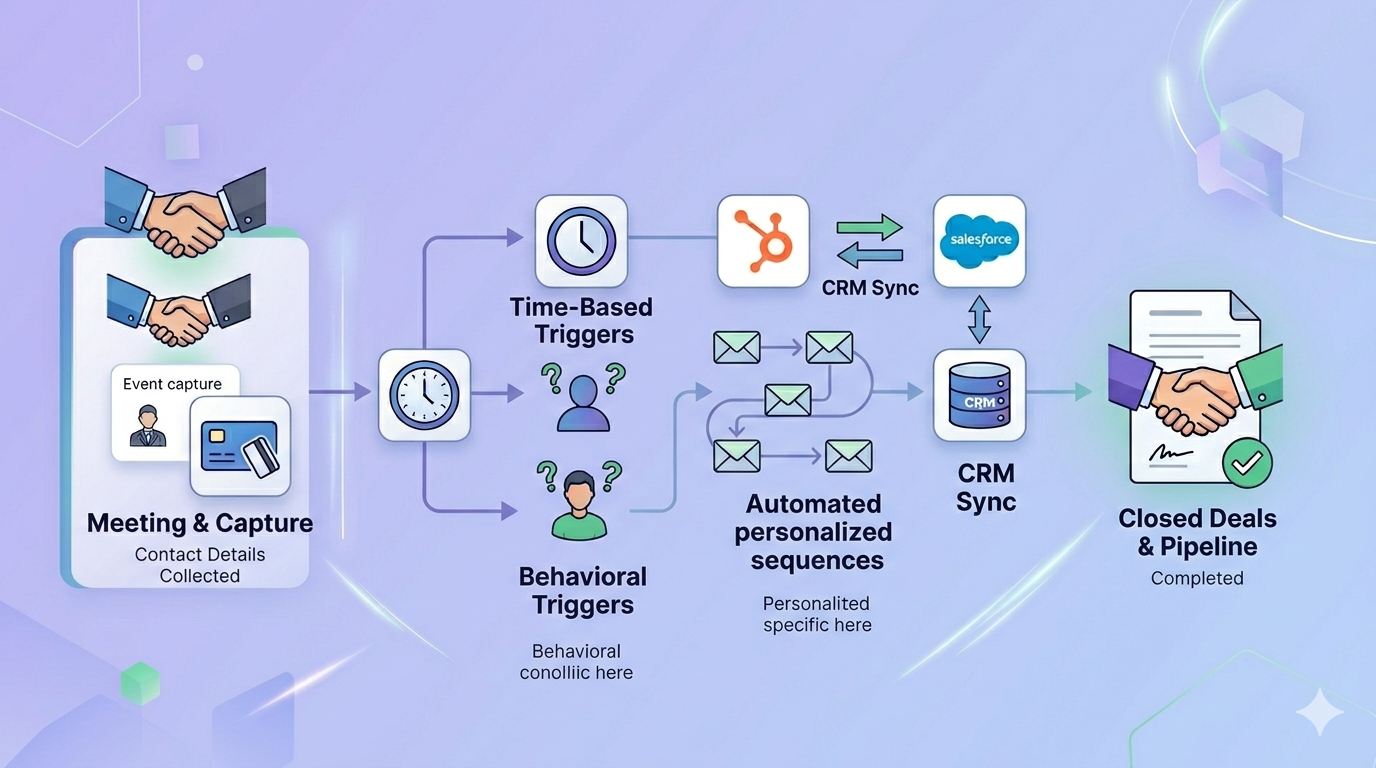
Instead, they rely on systems that work seamlessly at the exact moment when business conversations happen. Systems that capture context instantly while it's fresh and accurate, structure information automatically without human intervention, and activate appropriate next steps while the opportunity is still warm and the prospect's interest is at its peak.
In modern sales environments, speed isn't about applying pressure or rushing prospects through a process. Speed is about preservation—preserving relevance so your message stays connected to their needs, preserving memory so important details don't get lost, and preserving momentum so energy doesn't dissipate between meaningful interactions.
Why Conexa Was Built
Conexa exists because manual sales processes simply don't match the reality of how modern business operates. We built Conexa specifically to eliminate the administrative gap that sits between meaningful conversations and effective execution.
Our platform captures contacts and conversation context in seconds rather than hours, structures notes automatically using AI so nothing important gets lost, triggers appropriate follow-ups and next steps instantly while interest is high, and syncs only clean, qualified opportunities into your existing CRM so your pipeline reflects reality.
The fundamental goal is to help sales teams stop working for their tools and start letting tools work for them. Conexa isn't about tracking activity or generating reports—it's about protecting and amplifying the momentum that comes from authentic business conversations.
If Your Sales Team Is Busy but Revenue Feels Slow
Don't immediately ask your team to work harder or put in longer hours. Instead, examine how much human energy is currently being spent on tasks that machines should handle automatically. Every manual step in your current process isn't just wasted time—it's a delayed opportunity that loses value while sitting in someone's to-do list.
In sales, delay is often the critical difference between genuine interest and complete indifference. Conexa was built specifically to eliminate that delay, allowing teams to focus their energy on meaningful conversations rather than administrative cleanup, and ensuring that promising moments don't quietly expire while waiting for proper follow-up.